




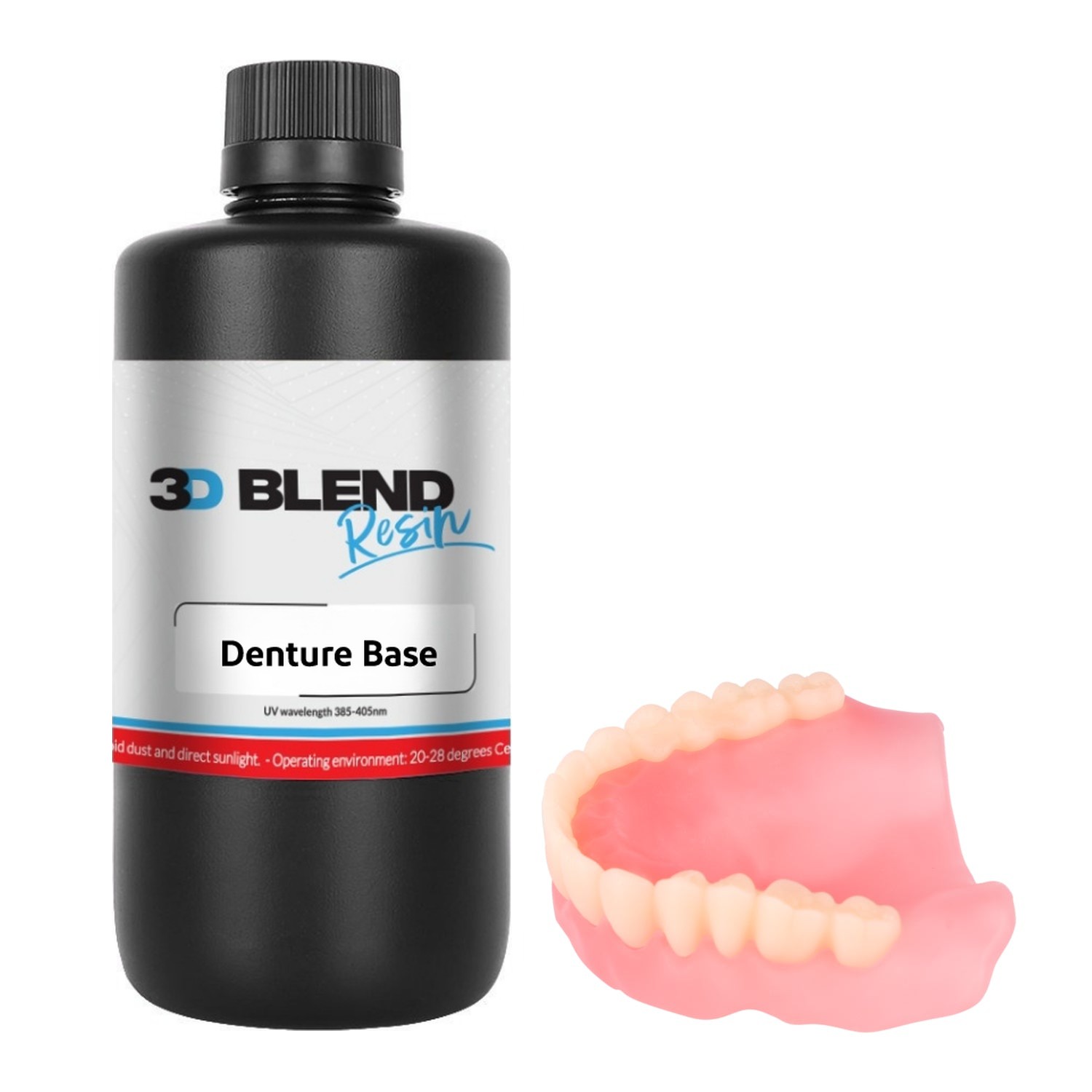
3D Blend Denture Base Resin
899.00 DH
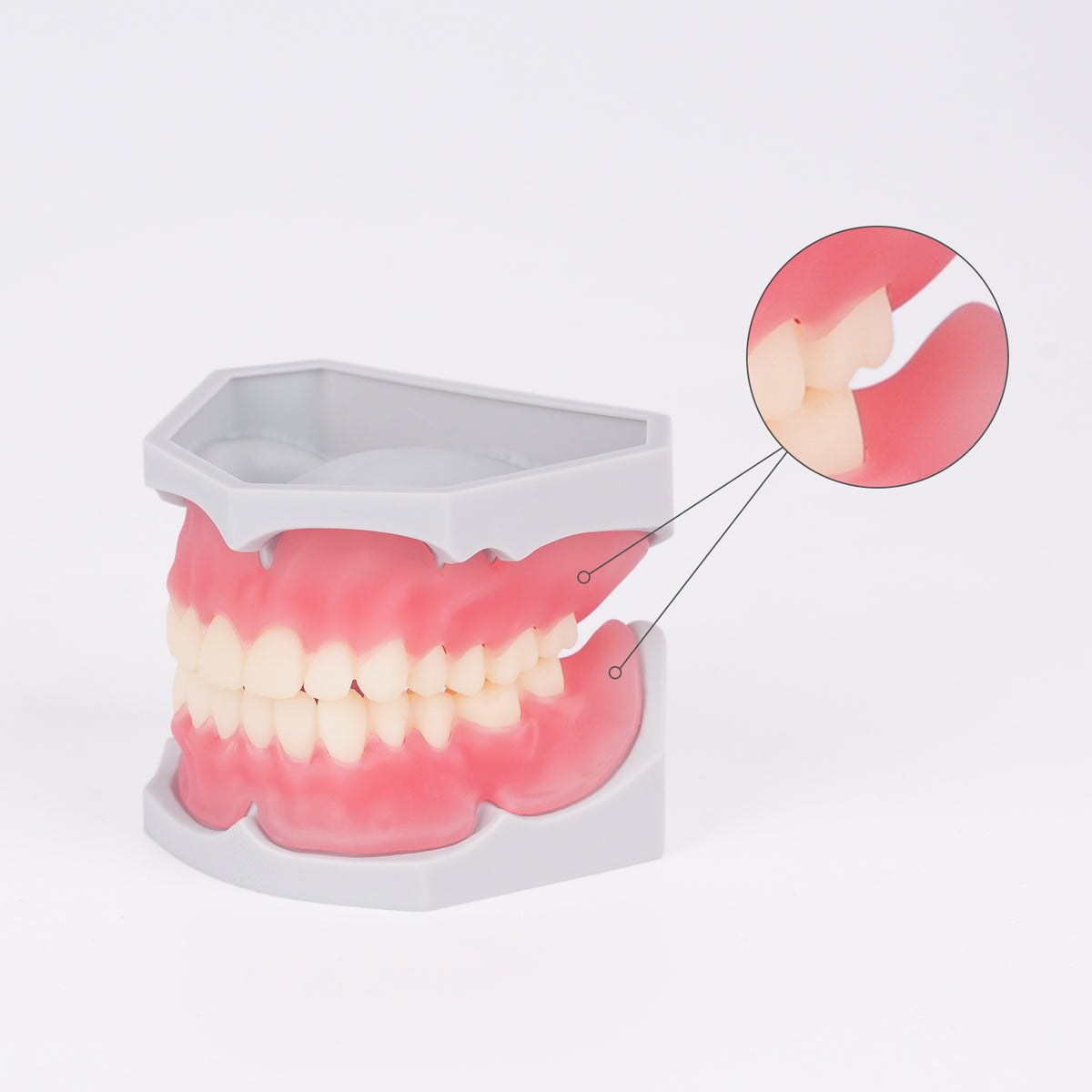
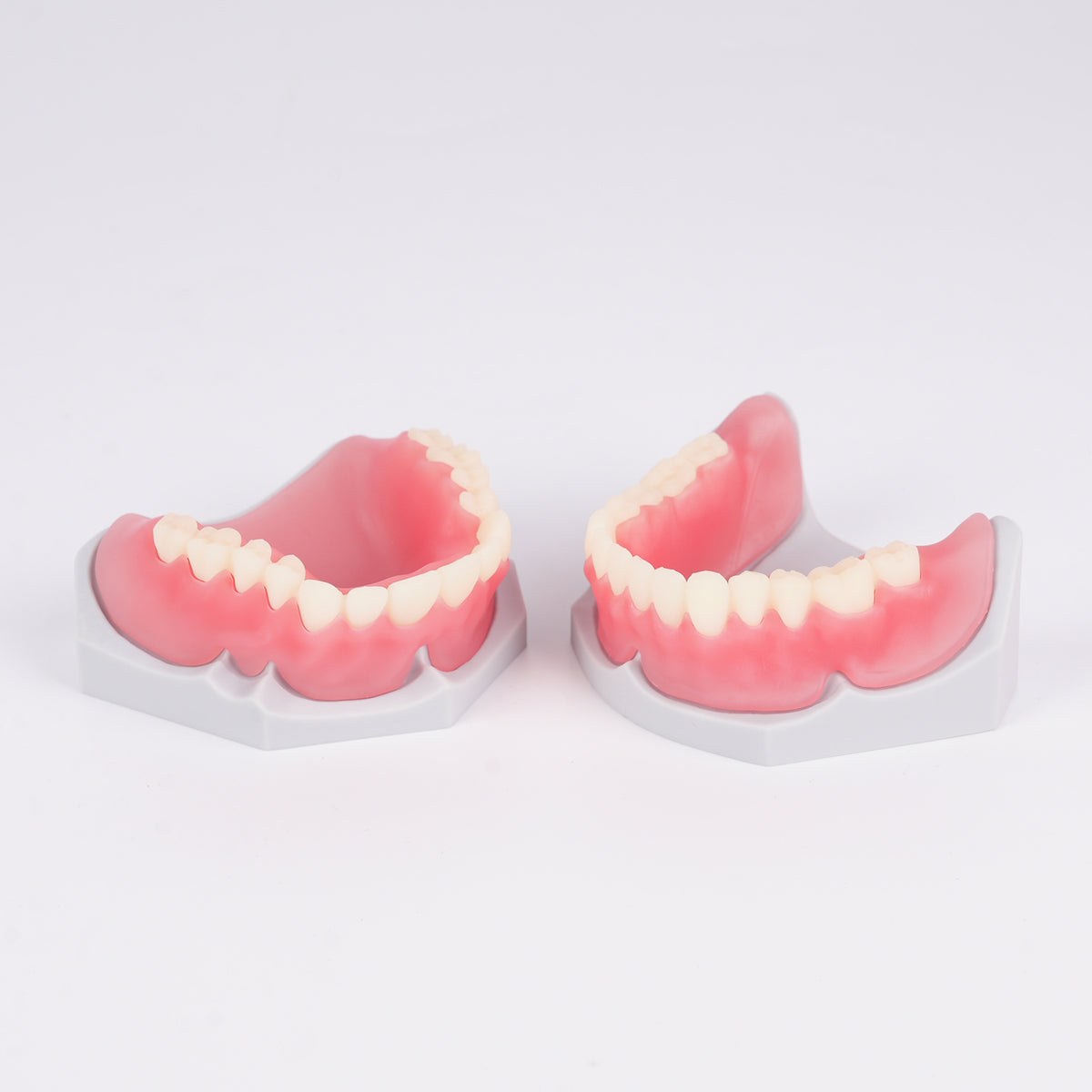
3D Blend Denture Base Resin prints full and partial denture bases in a natural gingival pink, with good strength, high impact resistance and a smooth, polishable surface.
En stock
Description
3D Blend Denture Base Resin prints full and partial denture bases in a natural gingival pink, with good strength, high impact resistance and a smooth, polishable surface.
Combine with printed or prefabricated teeth for a fully digital denture workflow.
Key features
- Natural gingival pink
- High impact resistance — 118 J/m notched Izod
- Tough — 17.7% elongation at break
- Low shrinkage — 0.2–0.5%
- Smooth, polishable surface
Applications
- Full dentures
- Partial denture bases
- Try-in dentures
Product information
| Item | Detail |
|---|---|
| Product | 3D Blend Denture Base Resin |
| Type | Dental denture base resin |
| Wavelength | 385–405 nm |
| Compatible printers | LCD, MSLA and DLP resin printers (Elegoo, Anycubic, Phrozen, Creality, Uniformation, Bambu and others) |
Technical data
| Property | Value |
|---|---|
| Tensile strength | 25.6 MPa |
| Tensile modulus | 321 MPa |
| Elongation at break | 17.7% |
| Flexural strength | 25.5 MPa |
| Flexural modulus | 694 MPa |
| Notched Izod impact | 118 J/m |
| Hardness | 80–85 Shore D |
| Shrinkage | 0.2–0.5% |
| Viscosity (25 °C) | 250–450 mPa·s |
| Density | 1.05–1.25 g/cm³ |
Manufacturer test data (ASTM D638 / D790 / D256 / D2240, post-cured at 405 nm, 23 °C). Values ±10%.
How to print
- Bring resin and room to 20–30 °C — cold resin is thick and causes failed prints
- Shake the bottle for 1–2 minutes (or roll it) until no sediment remains
- Check the FEP/ACF film for holes and clean the build plate; level the plate if needed
- Pour resin into the vat up to the MAX line
- In your slicer (Chitubox, Lychee, etc.) enter the print settings below, orient parts at 30–45° and add supports
- Hollow large models (2–3 mm wall) and add drain holes to save resin and avoid suction
- Run an exposure test (e.g. RERF or validation matrix) the first time you use this resin on your printer
- Print, then let the plate drip for 10–15 min before removing parts
Recommended print settings (UV exposure)
| Setting | Starting value |
|---|---|
| Layer height | 0.05 mm |
| Bottom layers | 4–6 |
| Lift distance | 6 mm (8–10 mm on 7–10″ screens, 11–15 mm on 10–15″ screens) |
| Lift speed | 60–80 mm/min |
| Retract speed | 150 mm/min |
| Wavelength | 385–410 nm |
| Bottom exposure | 20–30 s |
| Layer exposure | 3–6 s |
Starting values tested on a 6.6″ mono LCD (3500–4500 µW/cm²). Adjust for your printer’s light power: a stronger screen needs shorter exposure; a weaker or ageing screen needs longer.
Washing
- Clean in fresh IPA (95%+), ideally ultrasonic: 1–2 min first bath, 2–3 min second bath
- Blow dry with an air gun immediately after washing
- Finish and polish according to standard laboratory practice
- Check fit on the model before clinical use
UV post-curing (polymerization)
| Parameter | Value |
|---|---|
| Wavelength | 405 nm (385–410 nm) |
| Dental curing unit (≈200 mW/cm²) | 30–60 s per side, in water or glycerin |
| Standard curing station (40–60 W) | 5–10 min, rotating |
| Note | Curing in water/glycerin prevents the oxygen-inhibited tacky layer. Follow your validated protocol for each indication |
Storage & safety
- Store sealed in the original bottle at 15–30 °C, away from sunlight, heat sources and moisture
- Shake or roll the bottle for 1–2 minutes before every print — pigments and fillers settle
- Shelf life: 24 months unopened (18 months for dental resins)
- Wear nitrile gloves and safety glasses; work in a ventilated room
- Skin contact: wash with soap and water. Eye contact: rinse 15 min and seek medical advice
- Dispose of uncured resin and contaminated IPA as chemical waste, never in the drain
For professional dental use only, by trained laboratory and clinical staff. Validate settings on your own printer and follow your local regulations for dental devices.
In the box
1 × 3D Blend Denture Base Resin bottle.
Produits similaires
-
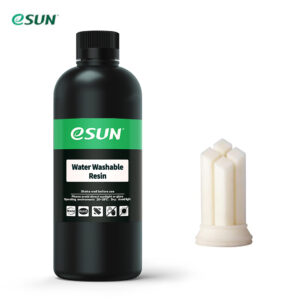
eResin Water Washable White 500ml
349.00 DHDisponible sur commande
Ajouter au panierDisponible sur commande
-
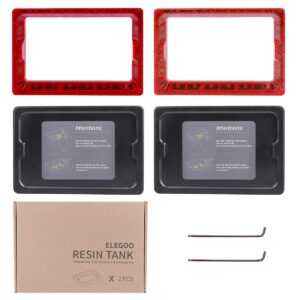
ELEGOO Mars 2 pro Plastic Resin Tank
Plage de prix : 279.00 DH à 549.00 DHRupture de stock
Choix des options Ce produit a plusieurs variations. Les options peuvent être choisies sur la page du produitRupture de stock
-
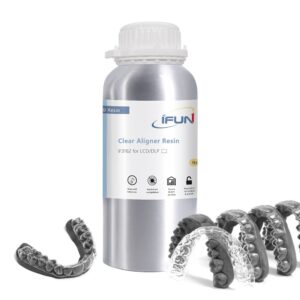
Dental Braces Resin
929.00 DHRupture de stock
Lire la suiteRupture de stock
-
eResin PLA PRO Grey 500ml
269.00 DHRupture de stock
Lire la suiteRupture de stock